腫瘤細胞調亡素/腫瘤壞死因子受體死亡受體6抗體簡介
2022-04-22 14:40 作者:洛辰 來源:上海遠慕生物試劑
英文名稱 DR6
中文名稱 腫瘤細胞調亡素/腫瘤壞死因子受體死亡受體6抗體
別 名 TNFRSF 21; BM 018; BM018; CD358; Death receptor 6; DR 6; MGC31965; TNFR related death receptor 6; TNFRSF21; TNFRSF21 protein; TNR21_HUMAN; Tumor necrosis factor receptor superfamily member 21; Tumor necrosis factor receptor superfamily member 21 precursor.
供應商 遠慕生物
研究領域 細胞生物 細胞凋亡
抗體來源 Rabbit
克隆類型 Polyclonal
交叉反應 Human, Mouse, Rat, Chicken, Dog, Cow, Horse, Rabbit,
產品應用 WB=1:100-500 ELISA=1:500-1000 IP=1:20-100 IHC-P=1:100-500 IHC-F=1:100-500 Flow-Cyt=1:100-500 ICC=1:100-500 IF=1:100-500 腫瘤細胞調亡素/腫瘤壞死因子受體死亡受體6抗體(石蠟切片需做抗原修復)
not yet tested in other applications.
optimal dilutions/concentrations should be determined by the end user.
分 子 量 52/68kDa
細胞定位 細胞膜
性 狀 Lyophilized or Liquid
濃 度 1mg/1ml
免 疫 原 KLH conjugated synthetic peptide derived from human DR6/CD358
亞 型 IgG
純化方法 affinity purified by Protein A
儲 存 液 Preservative: 15mM Sodium Azide, Constituents: 1% BSA, 0.01M PBS, pH 7.4
保存條件 Store at -20 °C for one year. Avoid repeated freeze/thaw cycles. The lyophilized antibody is stable at room temperature for at least one month and for greater than a year when kept at -20°C. When reconstituted in sterile pH 7.4 0.01M PBS or diluent of antibody the antibody is stable for at least two weeks at 2-4 °C.
腫瘤細胞調亡素/腫瘤壞死因子受體死亡受體6抗體產品介紹 background:
May activate NF-kappa-B and promote apoptosis. May activate JNK and be involved in T-cell differentiation. Required for both normal cell body death and axonal pruning. Trophic-factor deprivation triggers the cleavage of surface APP by beta-secretase to release sAPP-beta which is further cleaved to release an N-terminal fragment of APP (N-APP). N-APP binds TNFRSF21 triggering caspase activation and degeneration of both neuronal cell bodies (via caspase-3) and axons (via caspase-6).
Tissue specificity: Highly expressed in heart, brain, placenta, pancreas, lymph node, thymus and prostate. Detected at lower levels in lung, skeletal muscle, kidney, testis, uterus, small intestine, colon, spleen, bone marrow and fetal liver. Very low levels were found in adult liver and peripheral blood leukocytes.
Function:
May activate NF-kappa-B and promote apoptosis. May activate JNK and be involved in T-cell differentiation. Required for both normal cell body death and axonal pruning. Trophic-factor deprivation triggers the cleavage of surface APP by beta-secretase to release sAPP-beta which is further cleaved to release an N-terminal fragment of APP (N-APP). N-APP binds TNFRSF21 triggering caspase activation and degeneration of both neuronal cell bodies (via caspase-3) and axons (via caspase-6).
Subunit:
Associates with TRADD. Interacts with N-APP (By similarity).
Subcellular Location:
Membrane; Single-pass type I membrane protein (Probable).
Tissue Specificity:
Highly expressed in heart, brain, placenta, pancreas, lymph node, thymus and prostate. Detected at lower levels in lung, skeletal muscle, kidney, testis, uterus, small intestine, colon, spleen, bone marrow and fetal liver. Very low levels were found in adult liver and peripheral blood leukocytes.
Similarity:
Contains 1 death domain.
Contains 4 TNFR-Cys repeats.

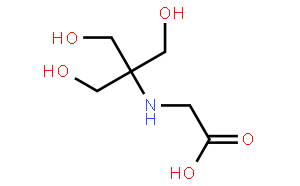
![雙[三(羥甲基)氨基甲烷],CAS:6976-37-0](http://struc.chem960.com/strucimg/7000/ctzw0nzi34oyob9fnlmhiwee.png)